Vocabulary: Building Background Knowledge
- Posted by Sandra D
- Categories Comprehension, vocabulary
- Date July 1, 2025
- Comments 0 comment
Vocabulary: Building Background Knowledge
Fun and Meaningful Activities for Parents and Elementary Kids
Building a strong vocabulary doesn’t just happen in the classroom—it’s deeply connected to the real-world experiences’ children have every day. One of the most effective ways to help elementary-aged kids develop a rich vocabulary is by building their background knowledge. The more they know about the world, the easier it is for them to understand new words, make connections, comprehend new texts, and engage in learning.
As a parent, you play a powerful role in expanding your child’s world. Here are some simple and engaging ways to build background knowledge right at home or around your community:
1. Visit Museums and Zoos
Why it helps: Museums, zoos, and aquariums introduce children to new concepts, animals, cultures, and historical events—all rich with vocabulary.
What to do:
- Take trips to local children’s museums, science centers, natural history museums, or art exhibits.
- Talk about what you see: “This exhibit shows how dinosaurs lived,” or “Let’s read about this painting together.”
- Let your child ask questions and read signs with you. Even better—let them lead the exploration!
2. Read Together Daily
Why it helps: Books expose children to vocabulary they might not hear in everyday conversation.
What to do:
- Read aloud daily, even as your child learns to read independently. Choose a mix of fiction and nonfiction.
- Pause to explain new words and ask questions: “Do you know what migration means?” or “Why do you think the author used the word enormous instead of big?”
- Encourage your child to share their thoughts or retell the story in their own words.
3. Explore Hobbies and Hands-On Activities
Why it helps: Activities like cooking, gardening, crafting, or building introduce vocabulary in context—like “ingredients,” “measuring,” “photosynthesis,” or “blueprint.”
What to do:
- Involve your child in simple recipes, DIY projects, or growing a plant.
- Use specific terms and explain what they mean as you go. (“We need to knead the dough, which means we press and fold it with our hands.”)
- Ask them to explain the process back to you using new words they’ve learned.
4. Take Nature Walks and Neighborhood Adventures
Why it helps: Outdoor observations provide vocabulary about animals, plants, weather, and geography.
What to do:
- Go on short nature walks or visit parks and trails.
- Bring a notebook and create a “discovery journal” with labeled drawings or notes.
- Look for things like animal tracks, cloud shapes, or different types of leaves, and talk about what you find.
5. Watch Educational Shows and Documentaries
Why it helps: Quality programs can introduce new topics and vocabulary in a fun, visual format.
What to do:
- Choose age-appropriate shows like Wild Kratts, Magic School Bus, or National Geographic Kids.
- Watch together, then talk about what your child learned. “What was your favorite animal they showed? What new word did you hear?”
6. Go on Local Field Trips
Why it helps: Exploring your community opens the door to vocabulary related to jobs, history, and civic life.
What to do:
- Visit the fire station, library, farmer’s market, or a bakery.
- Ask questions, take photos, and follow up by reading a book or watching a video on the topic.
- Help your child make a scrapbook or poster of what they learned.
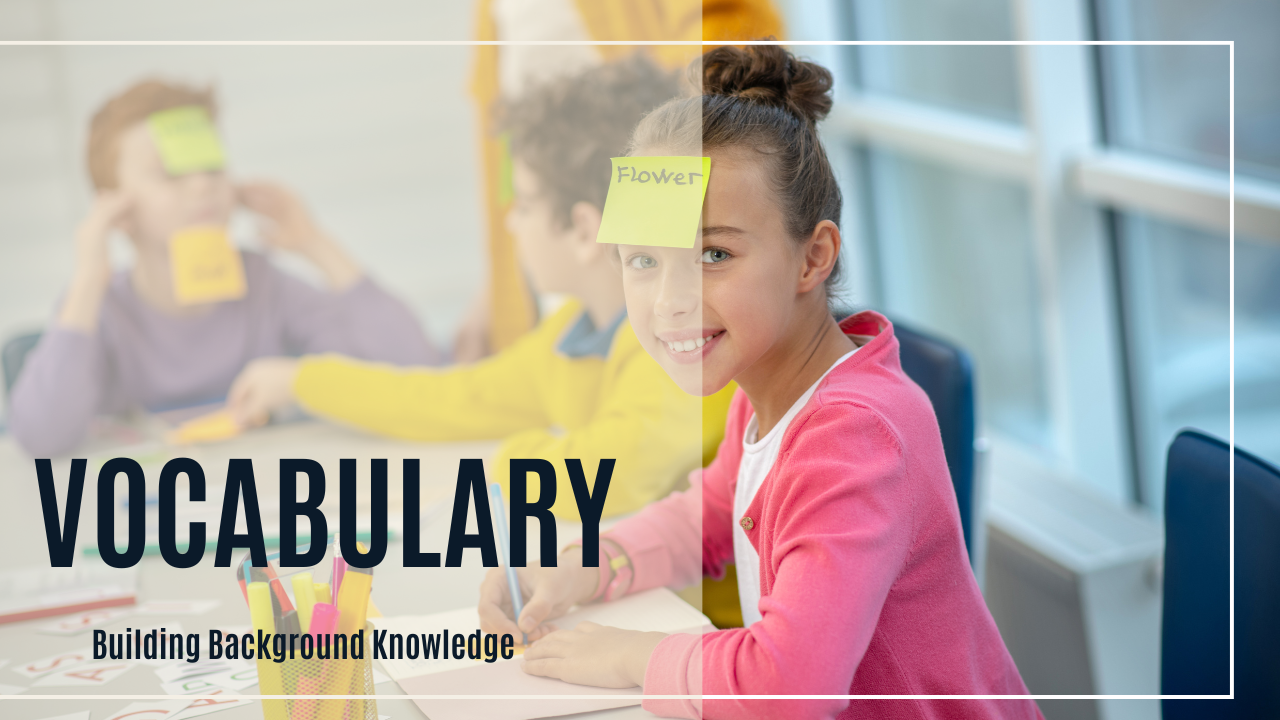
7. Play Word-Rich Games
Why it helps: Games make vocabulary learning fun and interactive.
What to do:
- Try games like Guess Who?, 20 Questions, Scrabble Jr., or Boggle.
- Make your own matching or sorting games using vocabulary from a recent outing or book.
Final Thoughts
The more experiences your child has, the more “hooks” they’ll have to hang new words on. By intentionally providing rich, real-world learning opportunities, you’re not only building their vocabulary—you’re helping them become curious, confident learners for life.
Is Your Child Struggling with Reading? We Can Help!
If your child has difficulty with reading comprehension or dyslexia, Apricot Tree Academy offers a specialized dyslexia intervention program designed to help struggling readers build confidence and skills. Our research-based approach provides structured literacy support tailored to your child’s needs.
👉 Learn more about our dyslexia intervention program today!

You may also like

Use Schema to Boost Reading Comprehension